

Welcome to Fit Factor, a new GOLF.com series in which we’re shining a light on the importance of club fitting, powered by insights, data and other learnings from the experts at our 8AM Golf sister company, True Spec Golf.
***
Putter issues come in all shapes and sizes. Sometimes a simple change in length is enough to improve impact consistency and get you back on track. Other times it’s something more complicated like transitioning from a blade to a mallet or finding a face technology that helps produce a truer roll to match your stroke. Putter struggles are never fun, but it’s nice to know fixes exist. And with game-changing designs entering the space in the last few years, it’s never been easier to find something tailor-made for your game.
Getting a certified club-fitter involved will help you target the problem area with your wand. That said, it’s still important to know how some of the changes can help your putting. Changing the head or going to a different length are two of the most obvious choices, but there are a few more you should also be considering along the way.
Below are three sure-fire ways to help fix a balky putter.
1. Figure out your stroke type

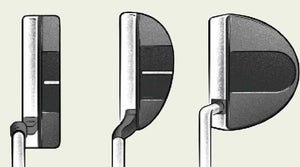
Understanding how you bring the putter back and deliver it to the ball can make a world a difference. Maybe you rotate the face open on the backswing but leave it open at impact, leading to a consistent right miss. Some fitters — 8AM Golf sister brand True Spec Golf included — can track your stroke on a high-speed camera and offer a frame-by-frame breakdown of what’s really going on.
If you don’t have that luxury, take note of your misses over the course of several rounds and see if a pattern exists. Many of today’s putters feature a number of different neck options, toe hangs and shaft positions. All three are meant to compliment your stroke. For example, a putter with an offset hosel (also known as a “plumber’s neck”) tends to favor a golfer with a left-aim bias. So if you have a tendency to aim too far right, this neck might be a good choice.
With custom options increasing, you need to know what you’re looking for. Thankfully, some brands, including Ping, add a color-coded band to the shaft that lets you know the arc type that would most benefit from the putter design.
2. Shake up the shaft

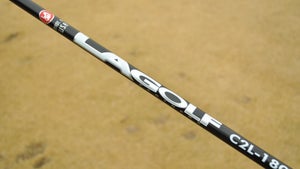
Your putter likely has a traditional stepless steel shaft that you know little about. Golfers have a tendency to fixate on the shaft profile and flex in their woods and irons, but when it comes to arguably the most important club in the bag, we take what the manufacturer gives us. Steel is the most common option and usually fits a wide range of skill levels and handicaps, but when your putting hits the skids, it’s crucial to exhaust all avenues.

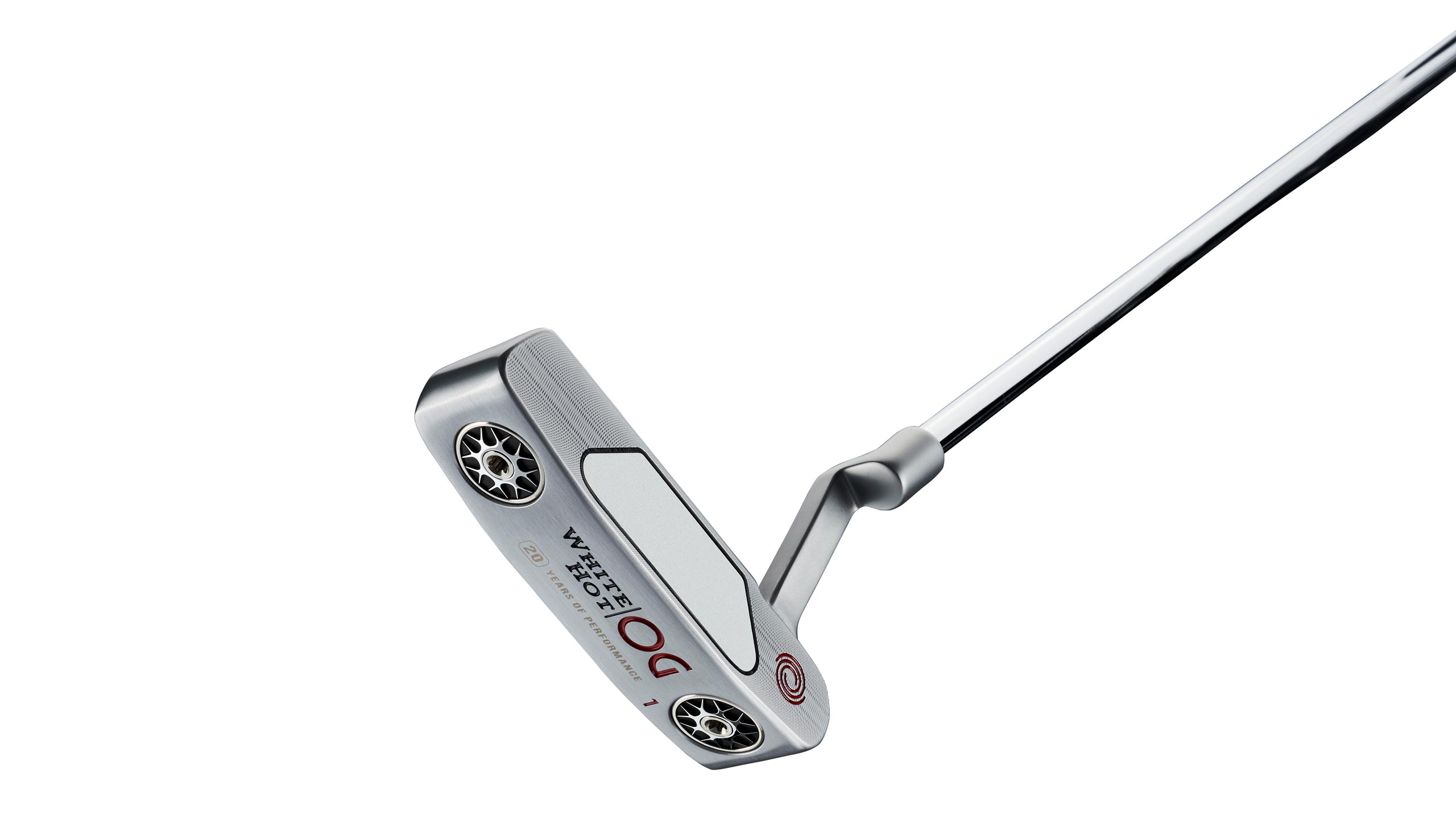
View Product
Multi-material shafts are a secondary option that can help shore up consistency and stability issues while negating unwanted vibrations at the same time. Odyssey’s StrokeLab, LA Golf’s Ozik TPZ, KBS’s CT Tour and One Step, and Breakthrough Golf Technology’s Stability shaft are some steel alternatives worth checking out.
If you’re deadset on playing a blade, adding a multi-material putter shaft can (depending on the golfer) give you mallet-like stability with the same head.
3. Get a grip
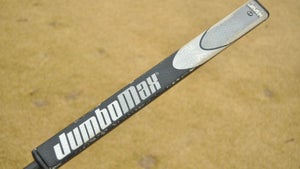
While it’s an obvious one, it’s worth repeating you shouldn’t be buying a putter off the rack without considering the grip. Maybe you benefit from getting your hands involved during the stroke and need a traditional Ping PP58 (a la Tiger Woods) pistol grip. Maybe a slightly larger option is a better choice.
If you defaulted to the grip that was on the putter at purchase time and are now noticing some issues, it’s time to contemplate a change. It could be as simple as going to a cord version of the same grip or increasing the overall size to engage the larger muscles during the stroke. There are also arm-lock grips and some that feature weight plugs in the butt end to fine-tune feel and stability.
It’s all about finding a grip option that works for you.
Looking for the perfect clubs for your game? Head over to True Spec Golf to book a custom fitting. And for more gear news and information, check out our latest Fully Equipped podcast in the Spotify embed below.


