
Welcome to Shaving Strokes, a new GOLF.com series in which we’re sharing improvements, learnings and takeaways from amateur golfers just like you — including some of the speed bumps and challenges they faced along the way.
Few players have had the creativity and touch around the greens of five-time major champion Seve Ballesteros.
An absolute maestro with a wedge, Ballesteros exhibited his personality through his game, confidently executing tricky shots that many of his competitors wouldn’t even dare attempt — in particular, flop shots.


While many amateurs might think of flops as death sentences to our scorecards, with proper instruction, we can learn how to hit high, soft shots — and impress our playing partners (and ourselves!) along the way.
The secret to it all? The clubface.
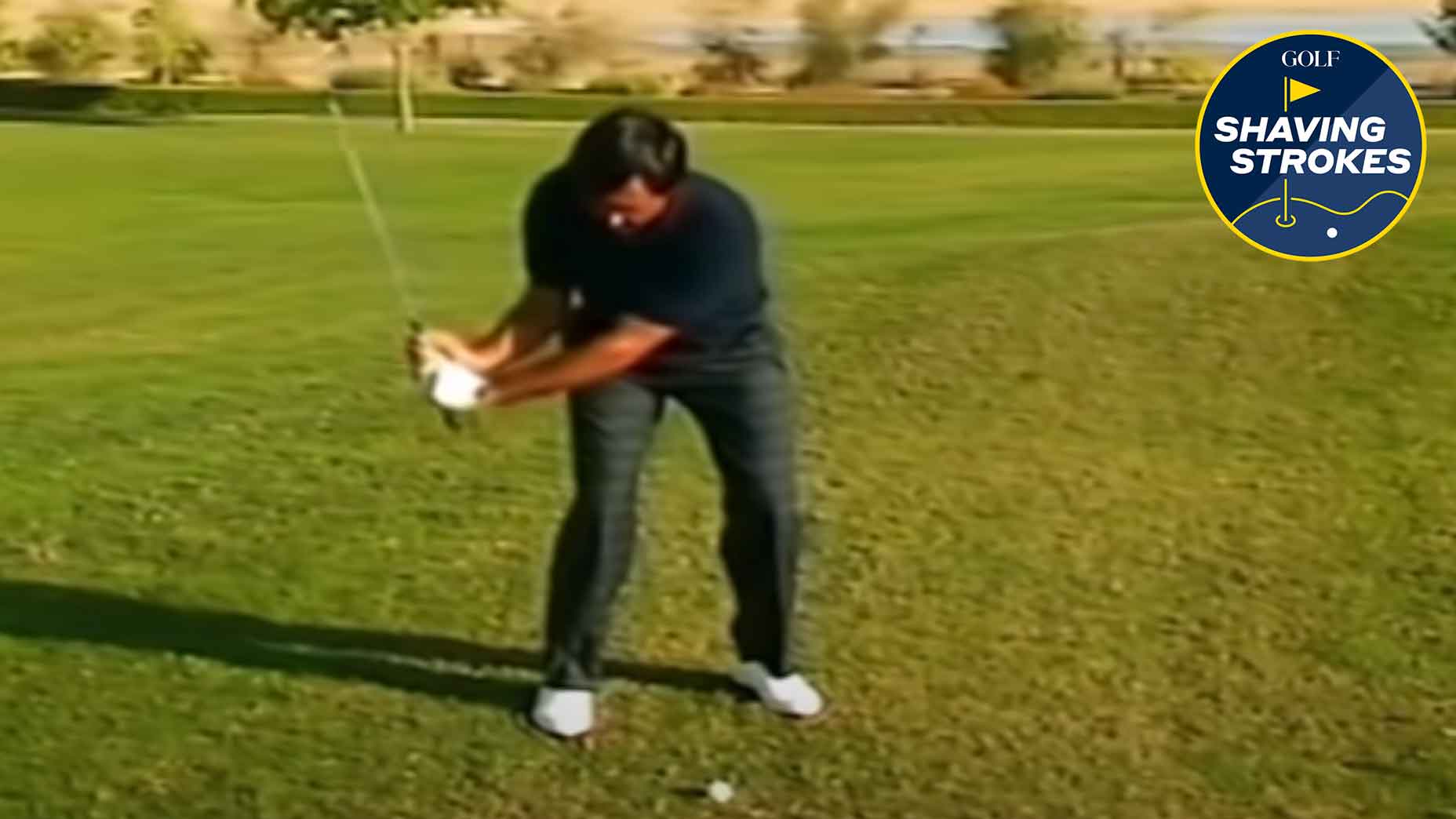
Just like in the full swing, when you have clubface control with your wedges, you can execute nearly any shot you need to. And well-struck flop shot starts with opening the clubface and understanding the proper angle of attack. Don’t take it from us — take it from Seve, who explains his wizardry in this excellent instructional video available on YouTube. Here are the highlights:
6 tips for hitting a flop shot like Seve Ballesteros
1. Open clubface
To generate as much loft as possible, open the clubface and allow the bounce to engage with the turf.
2. Place the ball forward in your stance
Ballesteros says right-handed players should “move the ball to the left heel of the left foot.”
3. Keep weight on your back side
Contrary to what you might do with a chip or pitch shot, Ballesteros says to keep the weight on the trail leg, which helps him create even more loft with the club.
4. Keep your hands behind the ball
The goal of the flop shot is to sail the ball high into the air. To get even more loft, be sure to keep the hands behind the ball, Ballesteros says.
5. Hinge your right wrist (for right-handed players)
Executing a flop shot means using a steeper angle of attack, but it also requires a little bit of a wrist hinge. Ballesteros says to “take the club straight upright and back, and outside the line, coming down into the ball.”
While doing this, you must hinge the right wrist, “keeping the right hand under and inside the line,” Ballesteros says.
6. Swing hard through impact to avoid decelerating
If you follow the steps above, you’ll have the clubface control you need to hit a flop shot. Seven’s final piece of advice: swing hard!
Many amateurs struggle with their wedges because they don’t accelerate as much as they need to. But Ballesteros says “don’t be worried about hitting the ball too hard, because the ball will never go too far” — assuming you’re opening the clubface properly and following his other advice.


