Rodents and insects and fungus. Oh, my!
In their turf-care work, superintendents stand on guard against a host of invaders, which can vary by region and season.
While most of these intruders can be staved off with smart and timely measures, some pose bigger headaches than the rest.
David McIntosh is director of grounds at High Hampton Resort, in Cashiers, N.C., and a 14-year member of the Golf Course Superintendents Association of America.


We asked him for threats that keep him and his colleagues up at night.
1. Pythium root rot
Many of the worst turf problems start where you can’t see them, beneath the playing surface, in the soil. Take the fungal woe known as Pythium root rot, which can get as ugly as it sounds. Though it tends to occur in over-irrigated or poor-draining areas, it can also develop in well-drained areas after persistent and heavy rains, at any time of year.
As its name suggests, Pythium root rot eats away turf roots; it’s just a matter of time before the grass is a goner. To the naked eye, McIntosh says, Pythium root rot looks like wilt. But watering is not the answer. It only makes the problem worse.

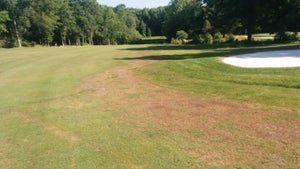
Fungicides can remedy the issue, but they can’t just be applied to the plant surface. They must be watered in. In stubbornly problem areas, other management practices need to change: sanding, punching and de-thatching to improve drainage, say, or less mowing and rolling to reduce stress. Pythium root rot might show up as a patch of unhealthy, but left unchecked, McIntosh says, those patches coalesce and expand, and before long, you’re in a world of hurt.
2. Annual bluegrass weevils
It sounds like the plot of a sci-fi flick: gross-looking invaders show up in the winter, eat until they’re fat and happy, and then slink off and die, but not before leaving behind their larvae, which hatch in spring and go on a feeding frenzy of their own.
Not all regions face the same pests. In the Carolina mountains, where McIntosh works, the annual bluegrass weevil, or ABW, is a scourge. Pesticides can knock them off.

But supers like to minimize the use of those, and the timing of the applications must be precise, which gets complicated, because ABWs are like flights on troubled airlines: It’s hard to know exactly when they might show up.
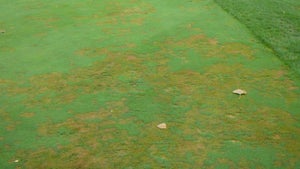
“You try to get the adults before they lay their eggs,” McIntosh says. “And you want to get the larvae before they start to chew their way out of the plant.” Miss your chance, and the buffet remains open. The damage shows up as discoloration, which spreads as the feast continues.
“They’ll wipe out an entire tee complex before you know it,” McIntosh says.
3. Black bears
OK, McIntosh doesn’t really lose sleep over them (look at that cute face!). But black bears are a pervasive nuisance. They dig holes — and upend trash bins — in their search for food. And their playful cubs make shrapnel out of flagsticks, often damaging the cups as they tear the targets apart.

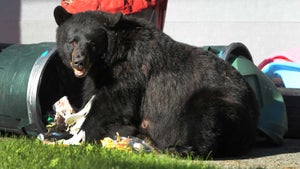
The remedy? “Empty the trash, clean up any food, and try not to give them any reason to show up,” McIntosh says. “We have no interest in going up against a bear.”