SOUTHPORT, England — Human beings resist easy definitions. They resist blanket judgements. They require nuance and complexity and depth and texture.
And in a sport filled with strange and vexing human beings, no player is better than Bryson DeChambeau at convincing us to believe the opposite.
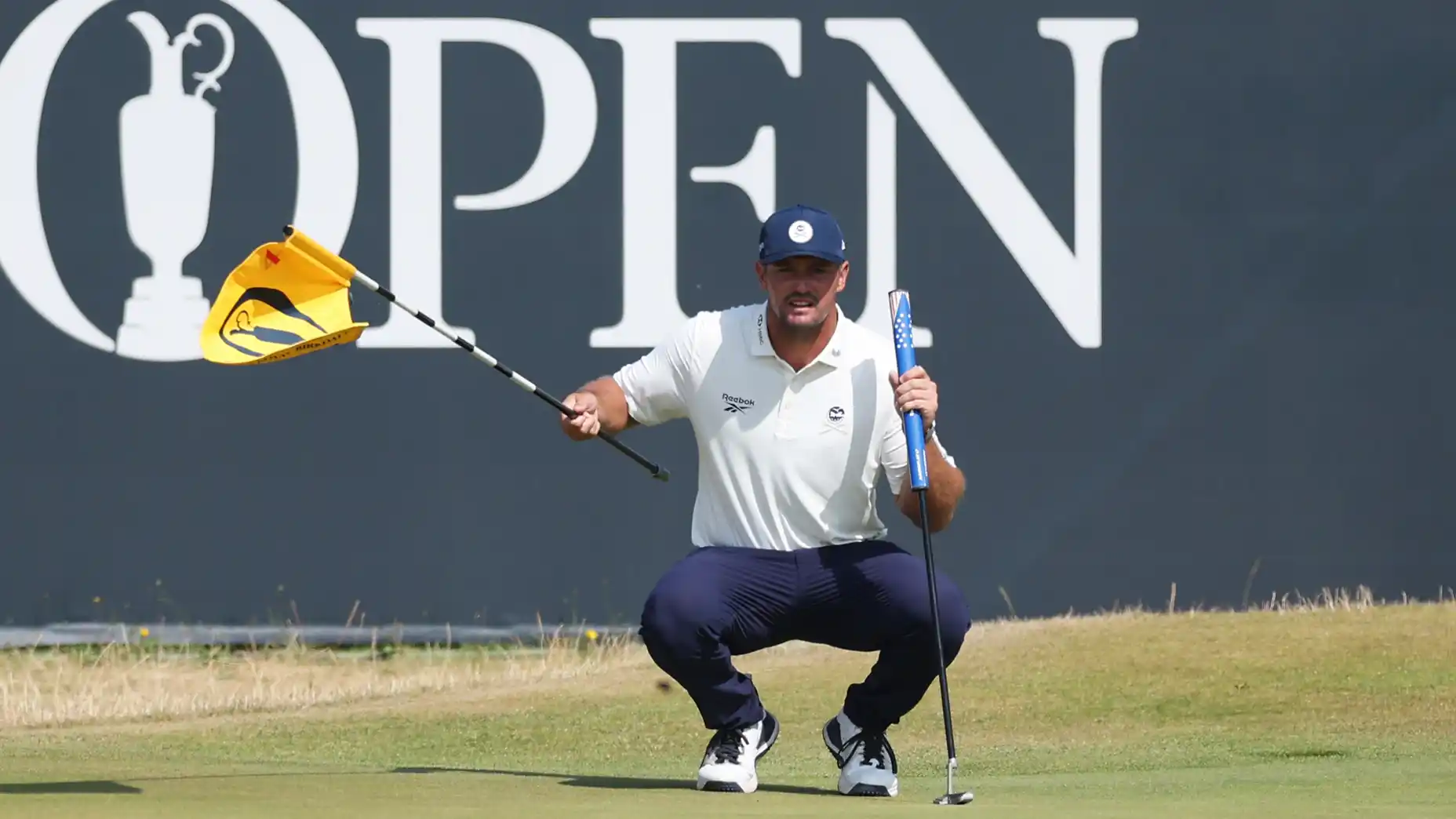
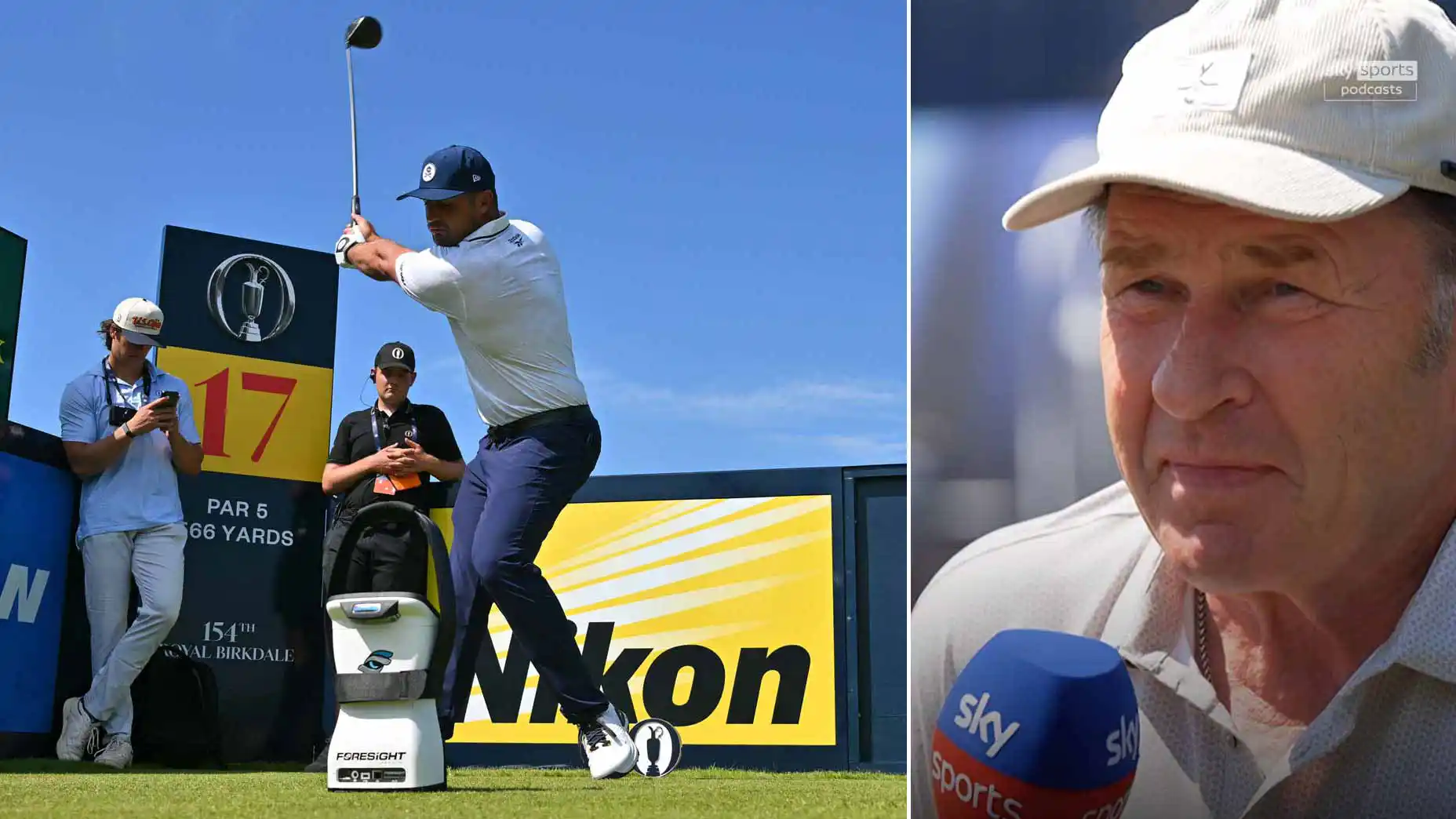
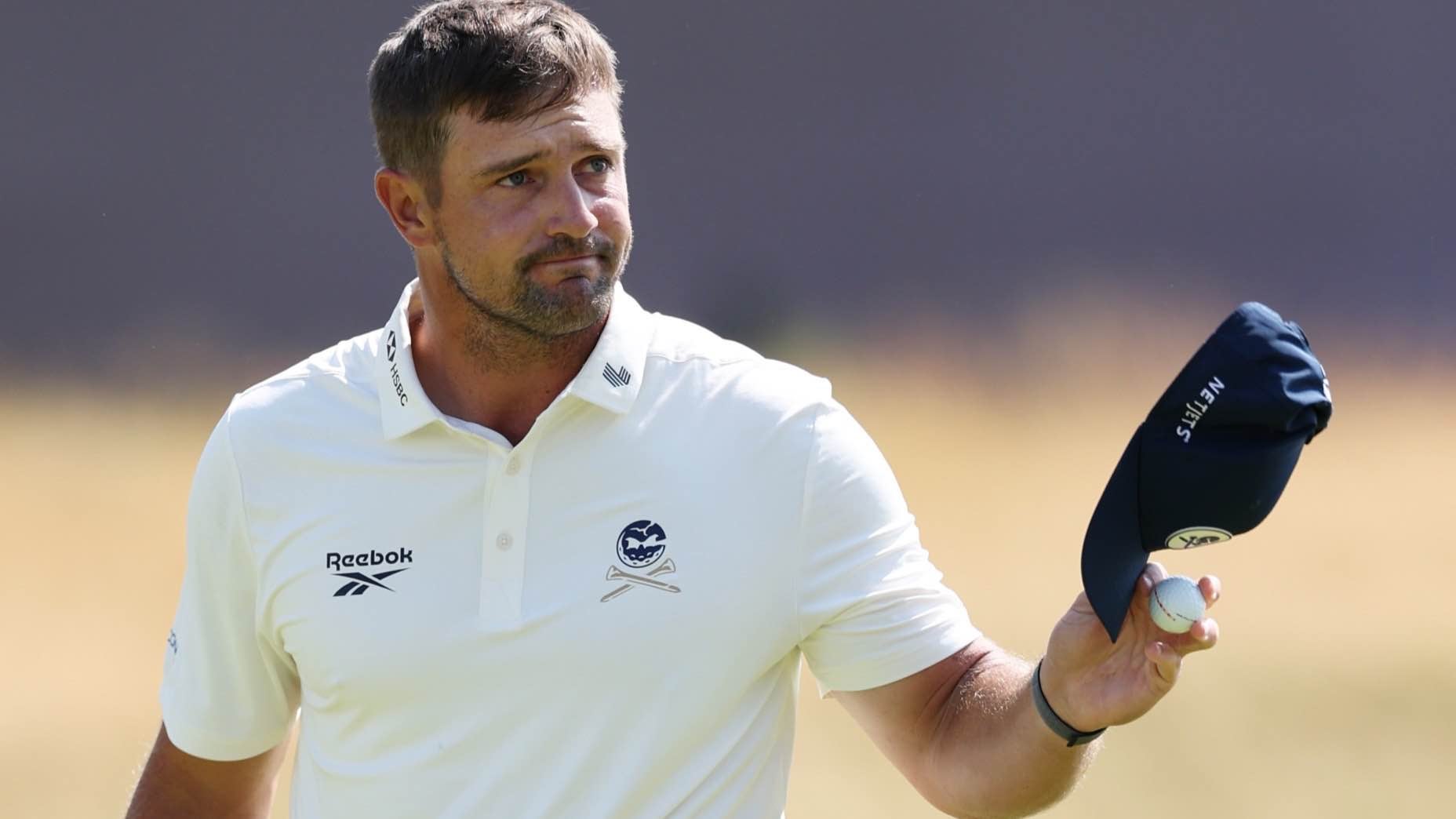
Bryson’s life as a professional golfer has been like an entrapment scheme for critical thinkers — an endless ping-pong between “absolutely loved” and “completely hated” that has spanned at least six years, two professional tours, two major championship victories, a high-profile bullying story, a few thousand protein shakes and many, many million YouTube views. A scheme that continued with a new chapter on Thursday afternoon at the 154th Open Championship, when an R&A official informed reporters that DeChambeau would not be speaking to them despite shooting one of the rounds of the day at Royal Birkdale, continuing a major championship blackout from the golf press that dates back to a first-round 76 at the Masters on April 9 and has arrived with no apparent reason or explanation.
It’s worth pointing out that DeChambeau did not entirely blank the public on Thursday. Even if he did not answer a question from a single person who might ask him about something, y’know, interesting, he answered several questions for an R&A official and completed a short video interview with the R&A’s official media channels.
It’s also worth pointing out that DeChambeau’s media exit on Thursday at Royal Birkdale arrived after he found himself in the crosshairs of two prominent golf critics (and ex-players), Nick Faldo and Brandel Chamblee, in the days leading up to the tournament. Faldo and Chamblee were doing their jobs as members of golf media when they criticized Bryson’s tactical weaknesses at the Open, but DeChambeau’s not-so-subtle answers to the R&A indicated he might have heard their criticism and not particularly enjoyed it.
Still, there is no obfuscating the most simple truth — the one underlining DeChambeau’s decision on Thursday: Golf’s most media savvy pro appears to be taking a break … from the media. And with that truth comes the familiar feeling that Bryson is about to find himself painted in the public with all the subtlety of a 2-iron to the forehead.
Over the years, many of us have been deluded into thinking we understood Bryson. We believed we could see through the bluster and the braggadocio in a way others couldn’t — that we could speak to his role in golf with a degree of certainty. As impatient truth-tellers, we rushed to ensure our conclusions were understood on (surprise!) simple terms: Bryson as hero or villain. As genius or dolt. As self-possessed influencer or sincere force-for-golf-good. As saved from the depths of self-indulgence or so convincingly lost he’s putting on an act to prove he isn’t.
And yet, in that time, there was only one thing that DeChambeau proved absolutely, unequivocally true about himself: He was a guy who liked to have control.
On the course, evidence of DeChambeau’s iron grip is about as prevalent as grass — obvious in his overwhelmingly intense brio, yes, but also in everything from his outlier equipment setup to his impressive collection of medieval training aids. On the days when Bryson does speak to the media, his explanations of his pursuit of total control over his golf ball are so encompassing they occasionally strain the limits of reality. It is not uncommon to hear DeChambeau suggest he has cycled through “hundreds” of swing thoughts in a single round, plumbed the depths of artificial intelligence for technical advice, consulted a disparate theory of physics or quantum mechanics, soaked his golf balls in Epsom salt to determine their gravitational center, or debated the merits of learning Russian or Arabic. (Yes — these are all things he’s actually said.)
Off the course, though, his obsessiveness might be even more pronounced. DeChambeau’s efforts as a YouTuber and content creator are well-documented, but they are also something else: Calculated. His pages are not just popular, they’re carefully crafted — maintained by a team of creative producers whose sole job is to advance Bryson’s personal brand.
It is easy to understand the appeal of this kind of work to Bryson. First, he’s good at it, and second, he’s governs it. On YouTube, DeChambeau gets the thing he craves most (control) over the thing he controls least (the narrative). His command over his image is absolute, and millions of people have bought into it.
On days like Thursday, DeChambeau seems aware of these facts — perhaps too aware. He knows that he owns a massive and important golf audience. He knows that his audience belongs to him alone. And he knows that this audience means he does not need to answer questions about his recent run of majors without a made-cut, because he can just make a video on his account titled “I’ve missed 3 straight cuts … let’s talk about it” and call it a day. He can avoid the risk that he will accidentally say something silly, or be taken out of context, or be turned to clickbait. He can have control.
This advantage is Bryson’s right to deploy, be it in major championship press conferences or in negotiations with LIV Golf. But it is not absolute. DeChambeau has gone the better part of this major championship season in silence, but that has not stopped the public from wondering about him. He has insulated himself from difficult questions, but that has not kept those questions from circulating. He has chosen not to speak to the press, but that has only kept him from having his perspective relayed in the public eye.
This is because Bryson’s control is an illusion. It exists fleetingly and narrowly, like a ball on the hardpan fairways at Royal Birkdale. The rest is kismet. Have you ever heard a wise person say that at least some part of genuine happiness involves surrendering to the forces of the universe? This is what they mean.
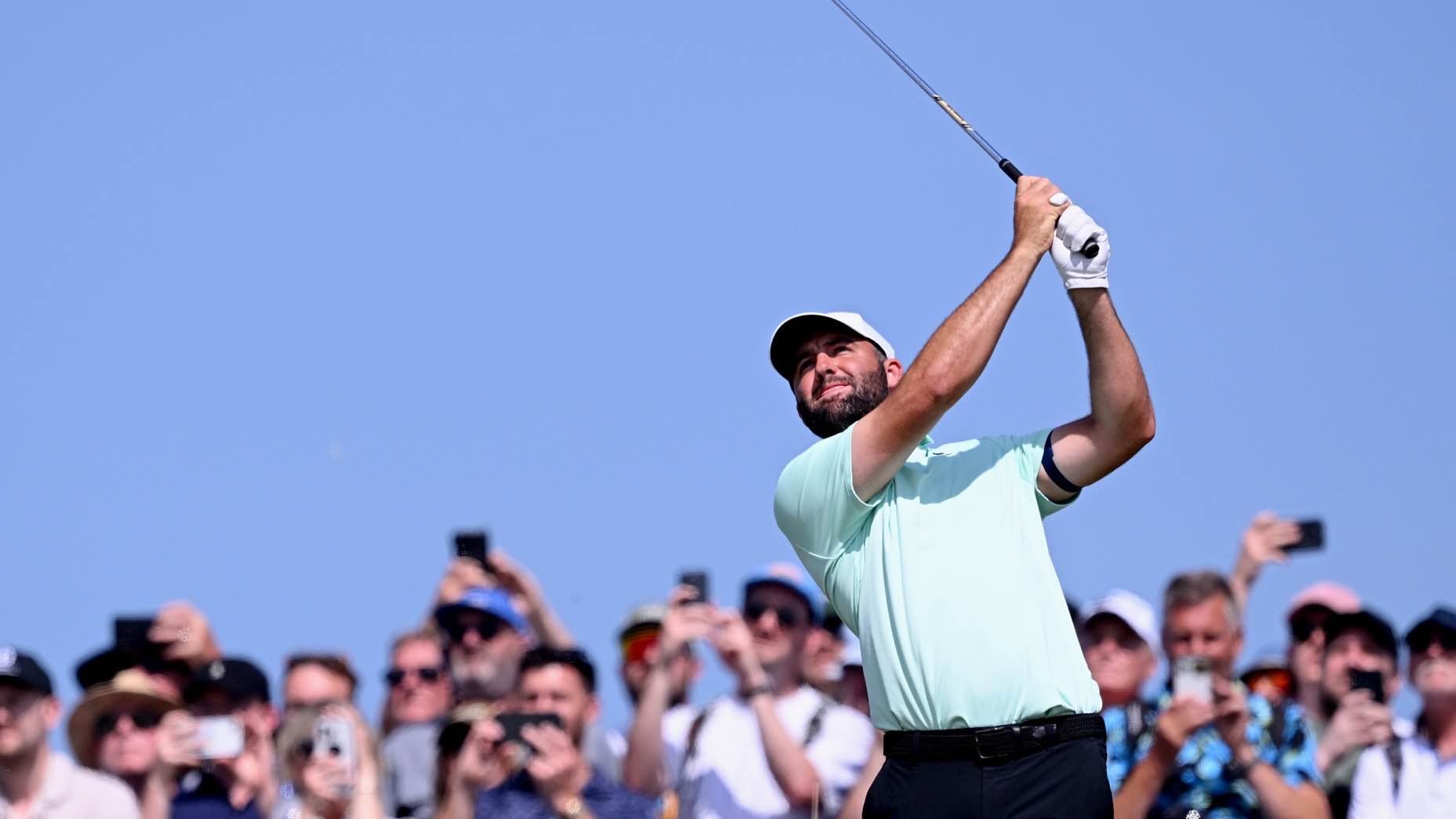
Surrender is the very essence of golf — the quality of the sport that endears itself to millions. It is not ultimate control that makes Scottie Scheffler or Tiger Woods or Jack Nicklaus great, it is ultimate surrender to the forces of luck and guile and concentration.
Here at the Open Championship more than anywhere in golf, surrender is the price of entry. If you would like to find success at a brutally difficult links golf course for four days at the Open Championship, you must be at least a little bit okay with taking your hands off the wheel.
The golf gods sent us wind and pot-bunkers and fescue grass as a reminder that even the best laid plans occasionally go to waste. They sent us Bryson DeChambeau to remind us greatness requires intensity and focus and dedication anyway.
In the end, it is a fool’s errand to decide what those traits make DeChambeau. There is — and has only ever been — one author of his story. And on Thursday afternoon at the Open Championship, his silence spoke, too.
You can reach the author at james.colgan@golf.com.