SOUTHAMPTON, N.Y. — Rees Jones prowled around Three Ponds Farm like he built the place, which is fitting, because he did.
Jones, 84, wasted little movement as he navigated around the parcel of farmland off Scuttle Hill Road in Waterville, N.Y. on a perfect morning last October. He was behind the wheel of a high-speed cart with a twinkle in his eye, driving from tee to green to tee again as he jumped just far enough ahead to grab the perfect vantage point of every swing from the three golfers criss-crossing the property behind him. The golfers were mostly hacks. Their shots were neither reliable nor particularly impressive. And yet Jones looked totally enthralled, like a chef watching a diner enjoy his favorite dish.
“Well…” he said, his expectation for the answer betrayed by the grin creeping across his face. “What do you think?”
Jones did not look ahead or behind with any care. He was not worried that he might be in the way of other golfers at Three Ponds Farm, in large part because that’s about as plausible as seeing the Tooth Fairy or Santa Claus. What happens here belongs to the golfers, the caddie, the architect, the maintenance staff, and Ivan Kaufman, whose house sits in the middle of the property. Nobody else.
Even by the gaudy standards of the east end of Long Island, Three Ponds Farm — also known as The K-Club — is an unusually private golf course. Unlike the rest of the great golf clubs of the east end, Three Ponds Farm is not private in the sense that it keeps a membership; it is private in the sense that it is removed from the presence of others. Play happens exclusively at Kaufman’s invitation. There is no starter or clubhouse attendant to look after your tee time or your shoes. If you’re thirsty, you fix yourself a cocktail at the makeshift “halfway house” (a sun room next to a gorgeous garden). Many days, the full extent of human interaction occurs between players and their caddie.
Three Ponds Farm did not always belong to Kaufman. He acquired the property for $35 million in 2019 in its current form, turning himself from a Long Island real estate scion into a golf course owner. In a way, Jones was part of the purchase — he summers at a property in Bridgehampton and is also the designer behind Three Ponds’ sister-course, Atlantic, a “normal” private club that sits just across the street (and supplies the K-Club with its caddies). Jones was hired by the property’s initial owner, Edward Gordon, who purchased the land (sans golf course or luxurious mansion) for $1 million.
The initial design featured only a handful of holes built around five greens, which was the most golf that seemed plausible to fit within the 58-acre property. But Kaufman bought the property with the hope of expanding to a full 18. He has added tee boxes and pin positions, and has added multiple flagsticks to each of the greens.
Today, the course zigzags around the property like the evidence board for a high crime, looping back and forth and back again until every green is examined from every angle … and each of the property’s many tee boxes is utilized. The course’s maintenance team, led by former Bethpage Black superintendent Ryan Loudenslager, works tirelessly to keep the course’s many nooks and crannies in impeccable condition.
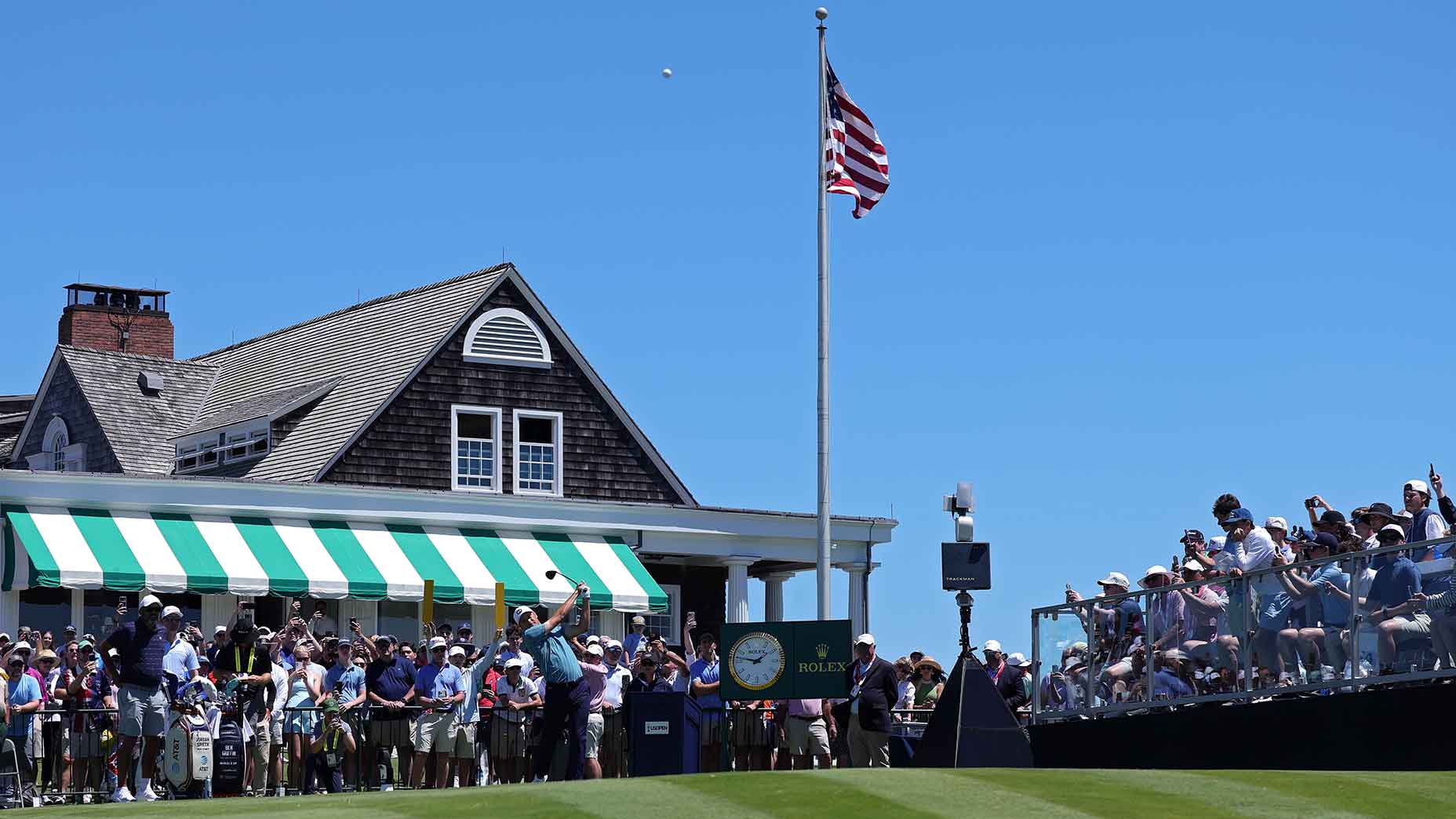
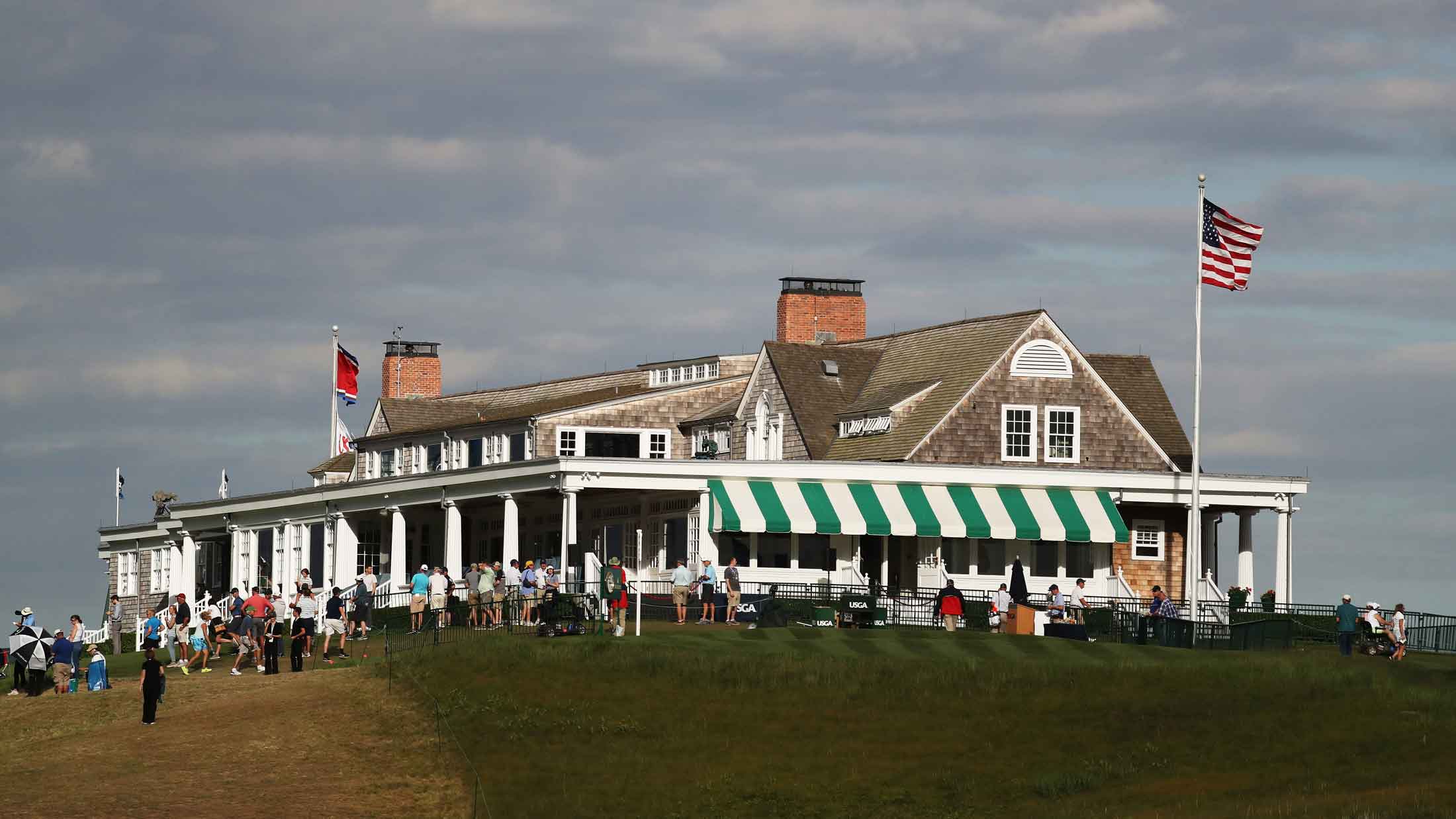
At least part of Three Ponds’ appeal to the golf world is its location. The property exists in perhaps the most golf-dense 20-mile circle anywhere in the world — a place lush with wealthy vacationers and golden sand beaches and golf clubs so private and old-world their charters tell the history of the sport in America. This week’s U.S. Open at Shinnecock is a celebration of that history, and a reminder that the golf course has inspired a generation of east end copycats.
But much more of the appeal is the experience. Only at Three Ponds can you know what it is like to literally lose yourself in a round of golf. Only at Three Ponds can you understand how it feels to enjoy golf as an expression of solitude. And only at Three Ponds can you finish 18 holes of golf under the doting eye of the golf course architect, and emerge to hear the following question:
“So, how many more times would you like to go around?”